
Why Won't My Gas Fireplace Turn On or Light?
Gas fireplace won't light? Check the gas valve, pilot, batteries and safety cutoff first. Learn the safe homeowner steps and when to call a licensed gas tech.
Read Article »Miles Chimney Sweep
Straight answers from working chimney professionals, created to help you protect your home and know when to call an expert.
The Miles Chimney Sweep Blog
Helpful information without the guesswork, sweeping, fireplace safety, inspections, creosote, leaks, caps, crowns and masonry repairs.
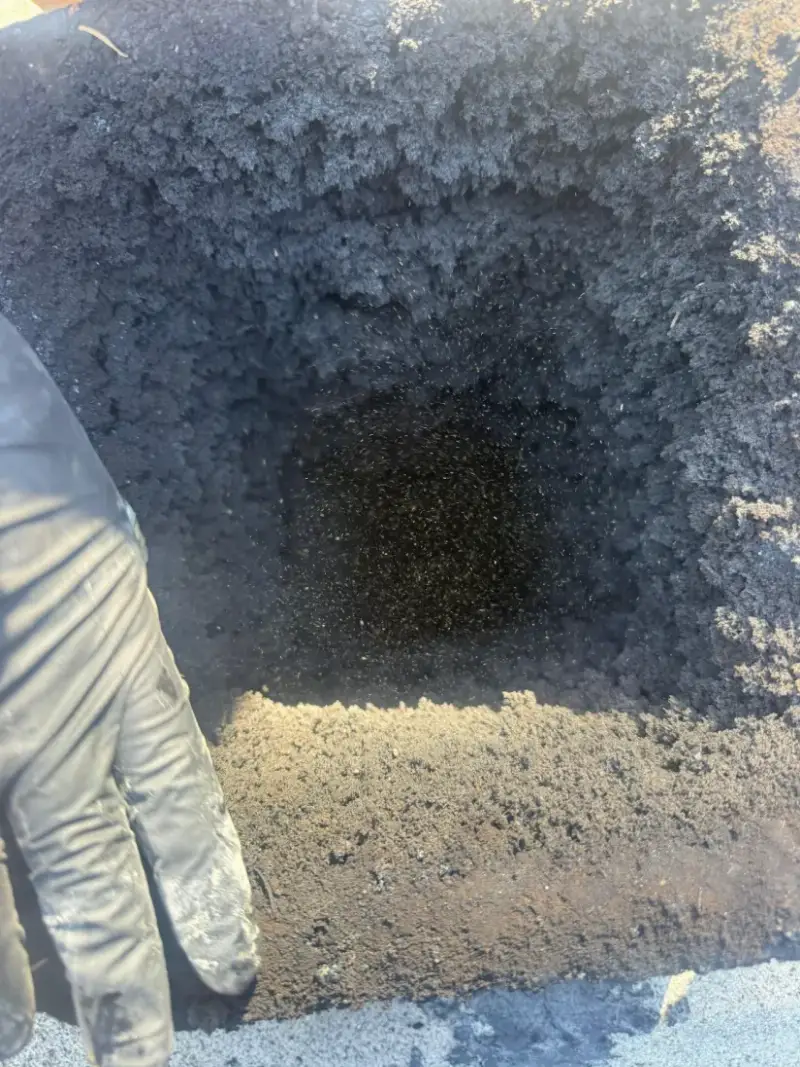
Gas fireplace won't light? Check the gas valve, pilot, batteries and safety cutoff first. Learn the safe homeowner steps and when to call a licensed gas tech.
Read Article »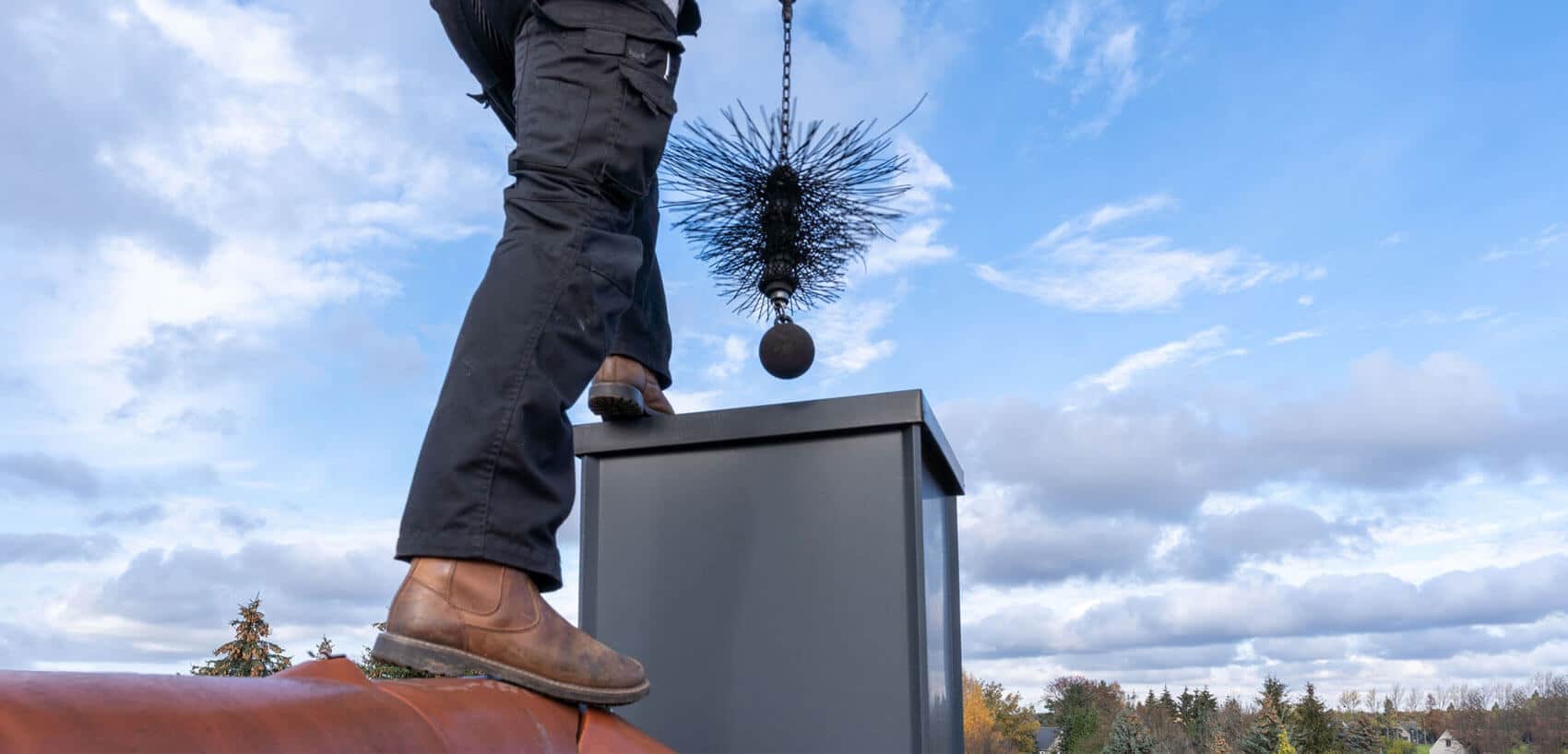
A leaning chimney usually means a failing footing, water-damaged mortar, or shifting soil. Learn the causes, the real danger, and when to call a pro.
Read Article »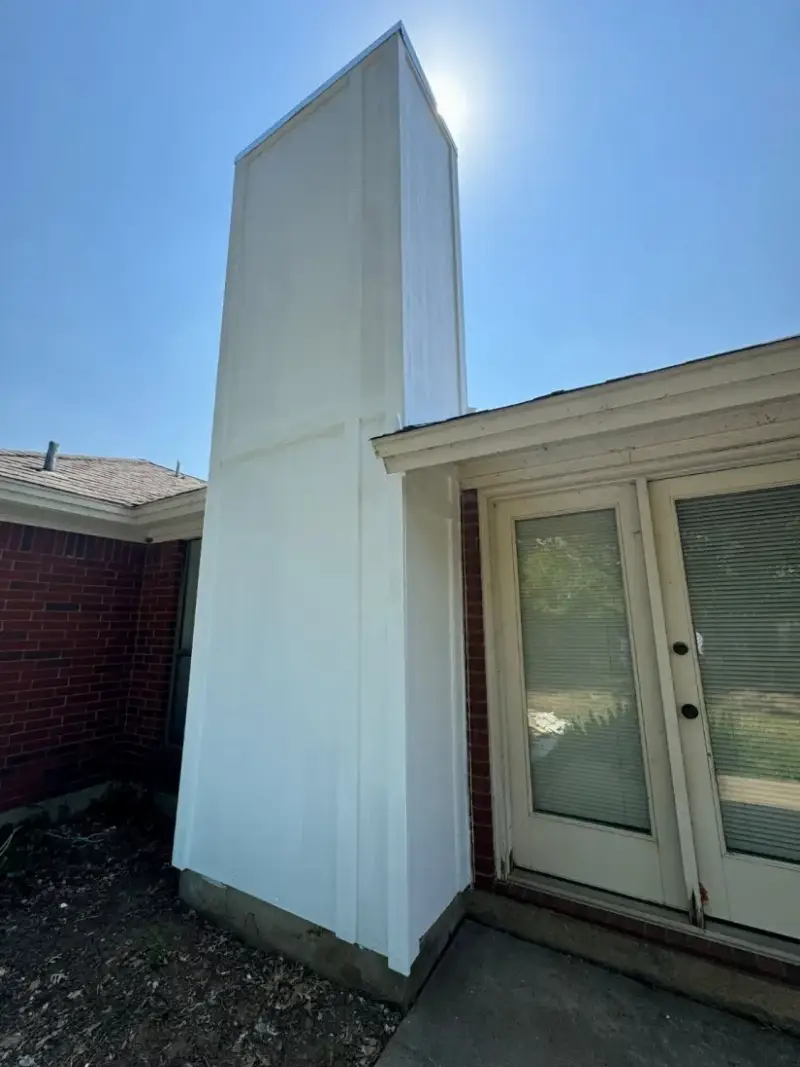
Tuckpointing grinds out failed mortar and repacks matched mortar between your chimney bricks. Learn the warning signs, and how it differs from repointing and re
Read Article »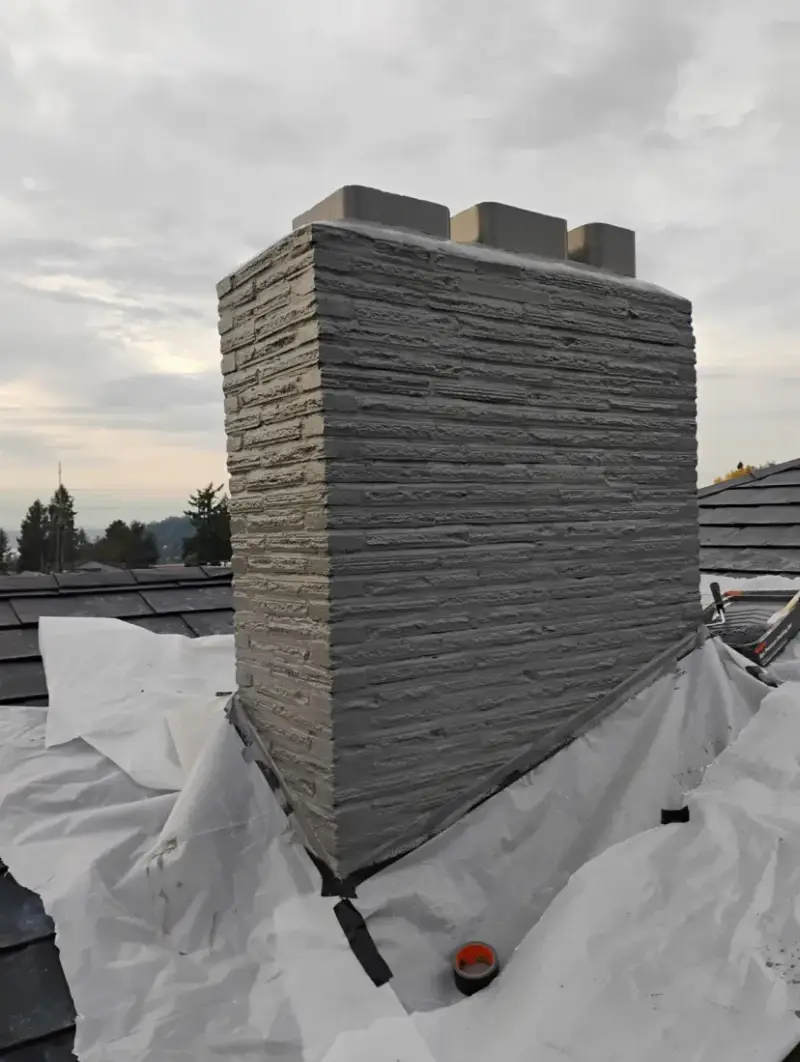
A lone bird can often fly out on its own, but nesting chimney swifts are federally protected and must stay. Here's how to tell the difference and what to do nex
Read Article »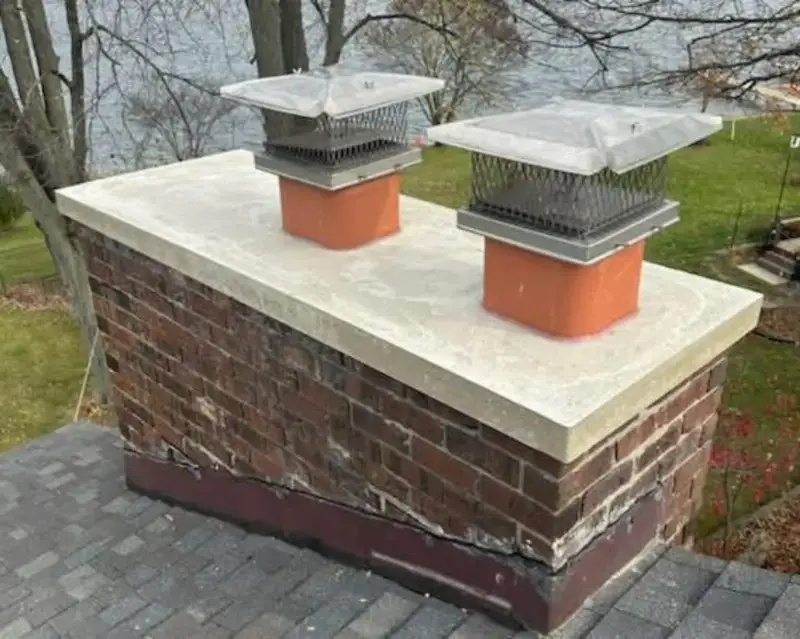
Chimney repair cost depends heavily on which part fails. See typical ranges for caps, crowns, tuckpointing, liners and fireboxes, plus what drives the price.
Read Article »
Do you really need a chimney cap? For most homes, yes. See what a cap keeps out, what a missing one costs you, and whether it is legally required in your area.
Read Article »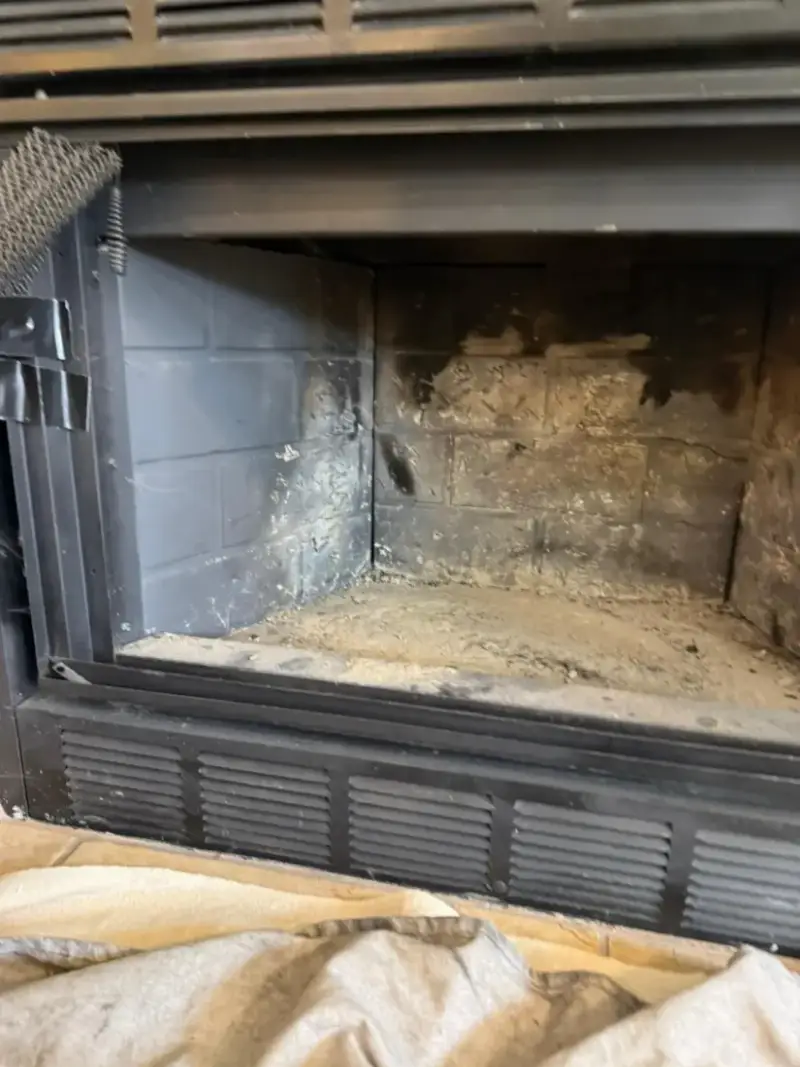
Fine hairline firebox cracks are common, but deep or wide cracks can let heat reach your home's framing. Learn which cracks are dangerous and when to stop use.
Read Article »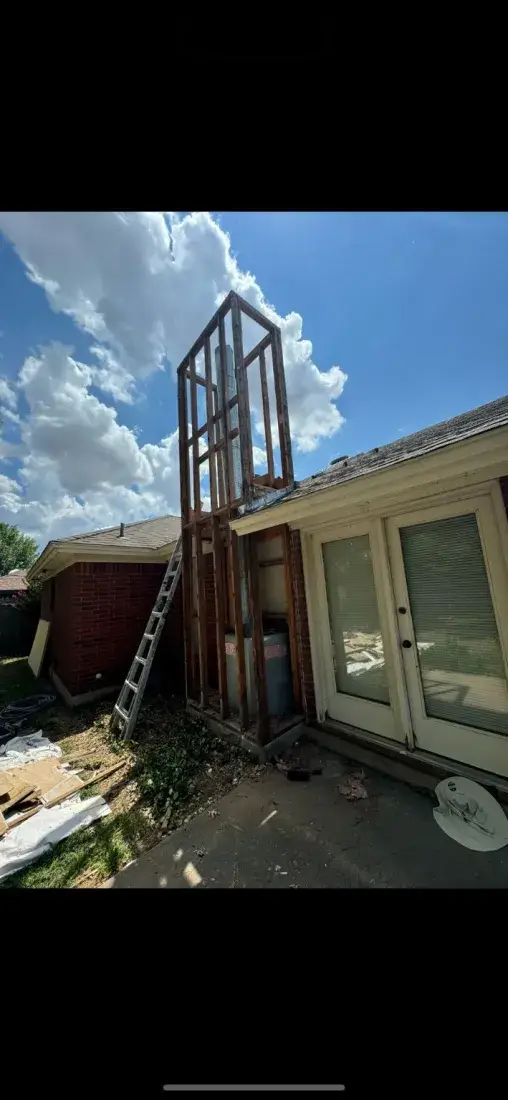
Most chimneys are repairable, not rebuilt. Learn the factors that push a masonry chimney toward a partial or full rebuild, and why an on-site inspection decides
Read Article »
Some chimney liners can be repaired; cracked, deteriorated, or wrong-sized ones need relining. Learn how clay, stainless, and cast-in-place liners differ and wh
Read Article »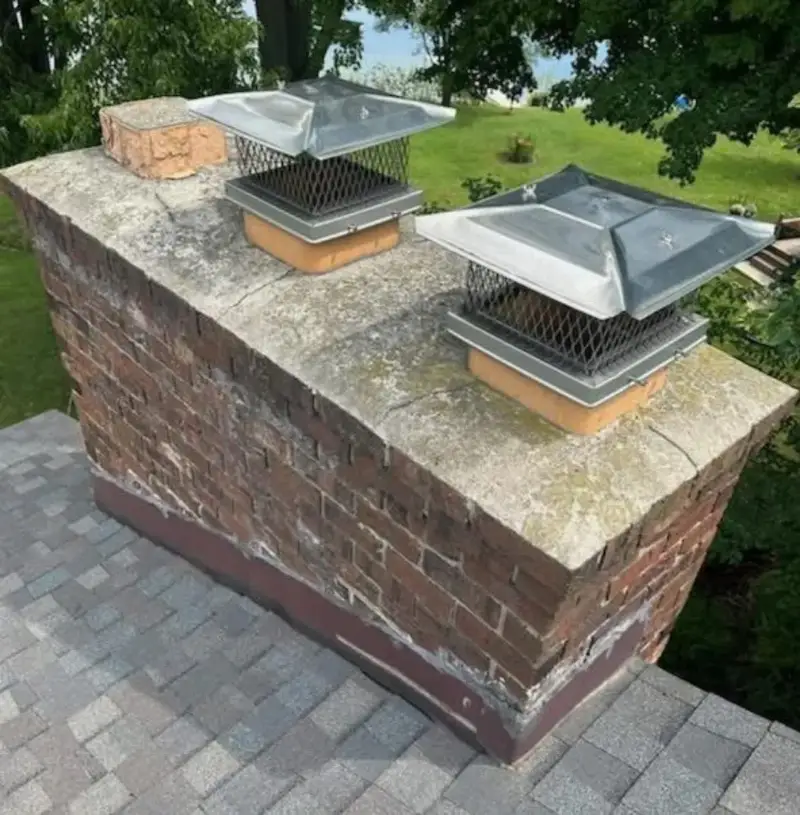
Hairline cracks in a chimney crown often need only a sealant coat, while spalling or structural cracks call for a rebuild. Here is how to tell them apart.
Read Article »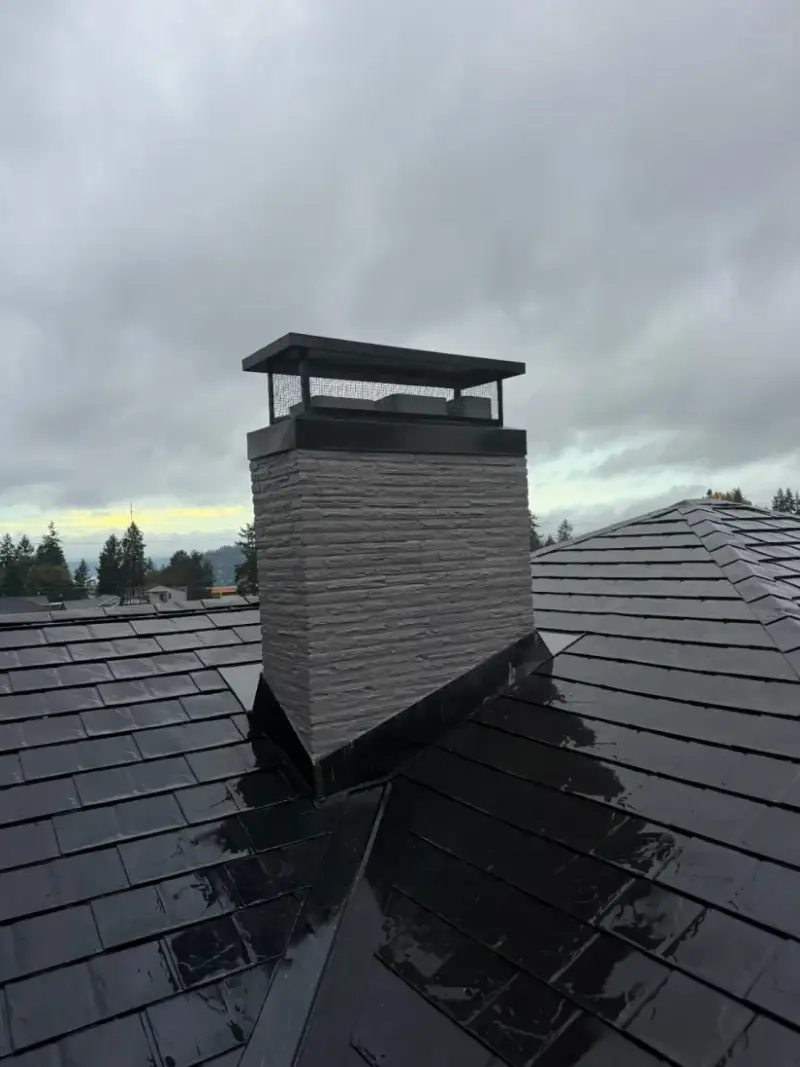
A chimney cap covers the flue opening; a chase cover is the full metal lid over a prefab chimney. Learn which one you have and why a rusted chase cover leaks.
Read Article »
Hearing scratching in your chimney? Learn the safe steps to take, why you should never light a fire, and when a bird may be federally protected.
Read Article »
A chimney that leaks in the rain usually points to the cap, crown, flashing, porous brick, or condensation. Learn how to tell them apart and what to do next.
Read Article »
Crumbling or flaking chimney brick is usually spalling from trapped water and freeze-thaw. Learn the causes, warning signs, and repairs for chimneys in wet climates
Read Article »
White stains on chimney bricks are usually efflorescence: mineral salts left as absorbed water evaporates. Here is what it signals and what to do about it.
Read Article »
Roofer or chimney company for a chimney leak? Both own different parts. Learn who fixes flashing, crown, cap and masonry, and who diagnoses where water enters.
Read Article »
Chimney leak repair costs vary widely by the source of the leak. See what drives the price, from a simple cap to a crown rebuild, and how to plan realistically.
Read Article »
Yes, breathable masonry water repellents reduce how much water your brick chimney absorbs, but they cannot fix a bad cap, crown, or flashing. Here is the differ
Read Article »
Cap, crown, and flashing leaks each leave a different clue. Learn the homeowner-observable tells and why the exact source is confirmed on site.
Read Article »
Yes, a chimney leak can rot attic framing and stain ceilings long before the fireplace shows anything. Learn the warning signs and why acting early saves thousa
Read Article »
Smoke drifting into your your area living room? Learn the real causes, the warning signs that need a pro, and safe steps to fix a smoky fireplace.
Read Article »
Fireplace glass turning black? Learn why gas and wood fireplaces soot up the glass, what it signals about your burn, and when to call a pro in your local area.
Read Article »
A fire that won't start or stay lit usually points to wet wood, a cold flue, a closed damper, or weak draft. Here's how to fix it and when it signals a problem.
Read Article »
A cold fireplace that still smells usually means creosote plus moisture, and air being pulled down the flue. Here is what causes it and how to fix it for good.
Read Article »
Warm, humid weather reactivates creosote odor and summer AC pulls flue air indoors. Here's why your fireplace smells worse in your area's damp season and how to f
Read Article »
Creosote is condensed wood-smoke residue that lines your flue and can ignite. Learn the three degrees, why it builds up, and how to keep it in check.
Read Article »
A chimney downdraft is a battle of air pressure. Learn how the stack effect, tight homes, exhaust fans, cold flues, wind, and chimney height reverse your draft.
Read Article »
Creosote comes in three stages: flaky soot, crunchy tar, and glazed shine. Learn what each looks like near your damper and why full assessment needs an inspecti
Read Article »
Dense, seasoned hardwoods burn hottest and produce the least creosote, but dryness matters more than species. See what to burn and what to avoid.
Read Article »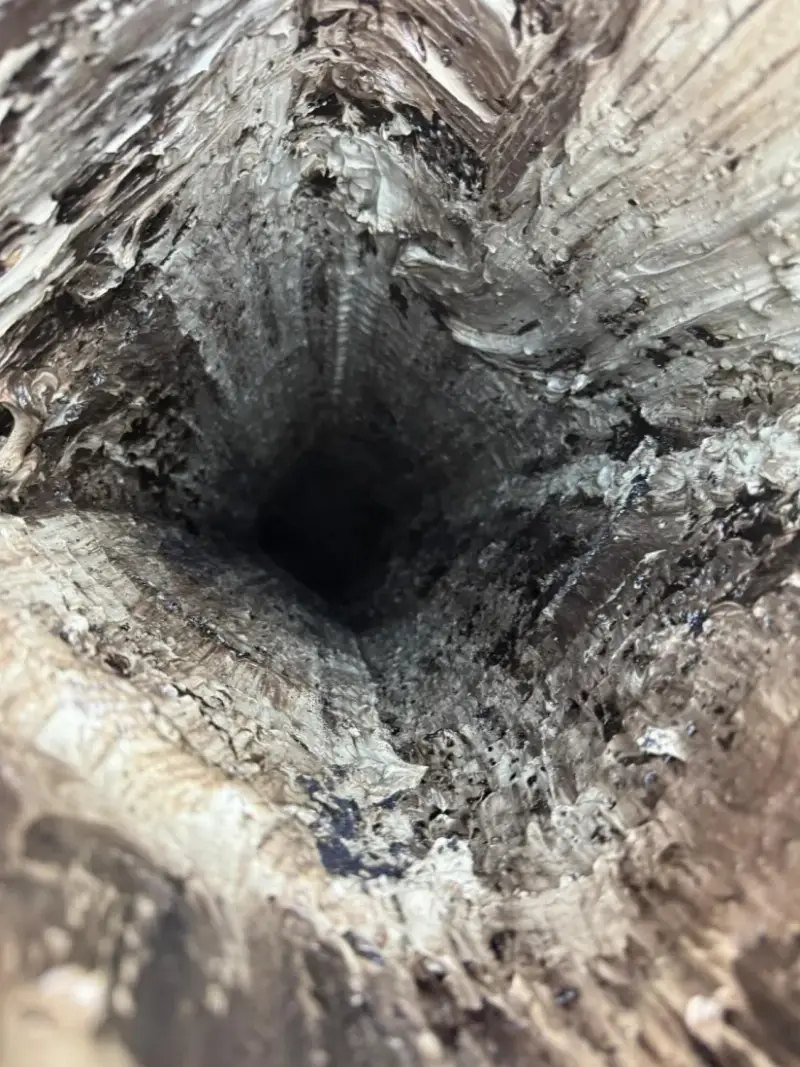
Glazed (stage-3) creosote won't come off with a standard brush. Learn what actually removes it, why a sweep can't promise results sight unseen, and next steps.
Read Article »
A chimney camera inspection sees the inside of your flue - the part no one can check from the fireplace or roof. Here is exactly when you need one, and why.
Read Article »
Had a chimney fire? Don't light another fire until a camera (Level 2) inspection checks the flue. What to do now, warning signs, and how repairs work.
Read Article »
A chimney inspector checks the crown, cap, flashing, flue liner, creosote depth, damper, and clearances. See what each check means and what happens next.
Read Article »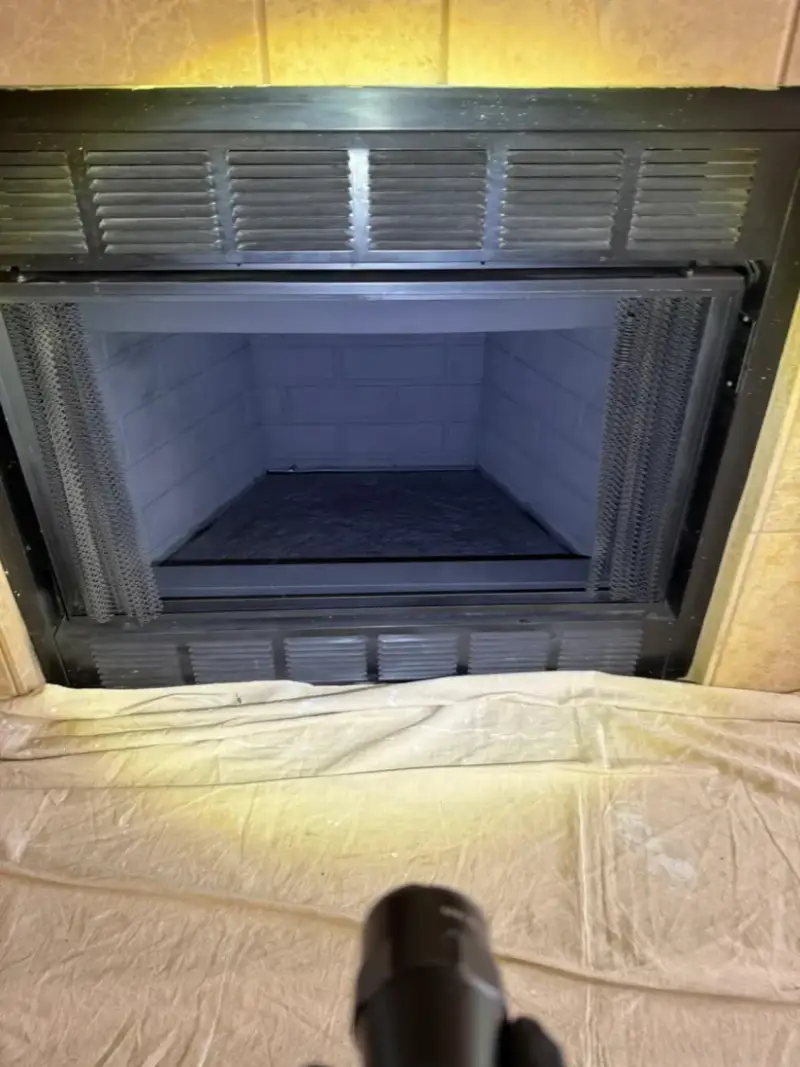
A cracked chimney liner can let heat reach framing and carbon monoxide seep indoors. Why the safe answer is no, and how a camera inspection confirms it.
Read Article »
Level 1, 2 and 3 chimney inspections explained in plain language: what each covers, when NFPA 211 calls for each, and which one your home actually needs.
Read Article »
A general home inspection barely touches the chimney. Learn why a Level 2 chimney inspection is the property-transfer standard before you buy a home.
Read Article »
Yes. Chimney standards call for a Level 2 camera inspection after any earthquake or damaging storm. Here's why chimneys in wet climates are especially at risk.
Read Article »
Just moved in, or has the fireplace sat idle? When you must inspect before burning, when the annual inspection already clears you, and what to check first.
Read Article »
Yes, a blocked flue, cracked liner, or reversed draft can push carbon monoxide into your home. Warning signs, CO alarm rules, and what inspections catch.
Read Article »
Most chimney fires smolder quietly and go unnoticed. See the evidence inspectors find, puffy creosote, cracked flue tiles, warped metal, and what to do next.
Read Article »
Drop cloths to the smoke shelf: the four parts of a real chimney sweep, the steps a rushed job skips, and how sweeping differs from an inspection.
Read Article »
Most standard sweeps run 0, 0, but one thing inside your flue can triple the bill. See what really drives the price, and where fits in.
Read Article »
Most chimney sweep visits wrap up in about an hour, but what's coating your flue can triple that. See what sets the clock and how to keep it short.
Read Article »
Creosote has a measurable danger line, 1/8 inch. Learn the signs your chimney is past it, plus a safe two-minute check you can do from your firebox.
Read Article »
Yes, and here's the catch: many 'unused' chimneys still vent a furnace or water heater. See what an idle flue hides and why the annual check still applies.
Read Article »
Gas burns cleaner, but its flue isn’t maintenance-free. See what really builds up in a gas chimney, the warning signs of a blockage, and when cleaning is due.
Read Article »
A sweep and a cleaning are the same service, the real difference is cleaning vs. inspection. Find out which one your chimney actually needs this year.
Read Article »
You can brush what you can reach, but the creosote that starts chimney fires hides where you can't see. Where DIY ends and a pro earns the fee.
Read Article »
Glazed creosote can defeat a standard chimney brush entirely. Learn the three stages of buildup, why the shiniest flue is the riskiest, and what removes glaze.
Read Article »
Late spring and summer beat the fall rush for chimney sweeps. See the booking calendar, plus the summer smell that says you waited too long.
Read Article »
The honest answer, what chimney-safety guidance recommends, and signs that you may be overdue.
Read Article »Protect Your Home
Speak with Miles Chimney Sweep or book your appointment online.
Book Your Appointment
Send your details, choose the day and a 3-hour window that works for you, and our team will call to confirm your appointment.