
By the Miles Chimney Sweep team · Published Aug 21, 2026
Tuckpointing is the repair that grinds out failed, crumbling mortar from between your chimney bricks and repacks the joints with fresh, color- and strength-matched mortar. Your chimney needs it when the mortar joints have gone soft, sandy, cracked, or recessed, but the bricks themselves are still sound. It rebuilds the weather seal without tearing the chimney apart. Here is the part most homeowners miss: mortar is deliberately the weakest ingredient in the wall. It is designed to fail first and be replaced, which is exactly why catching it early keeps a minor repair from becoming a full rebuild.
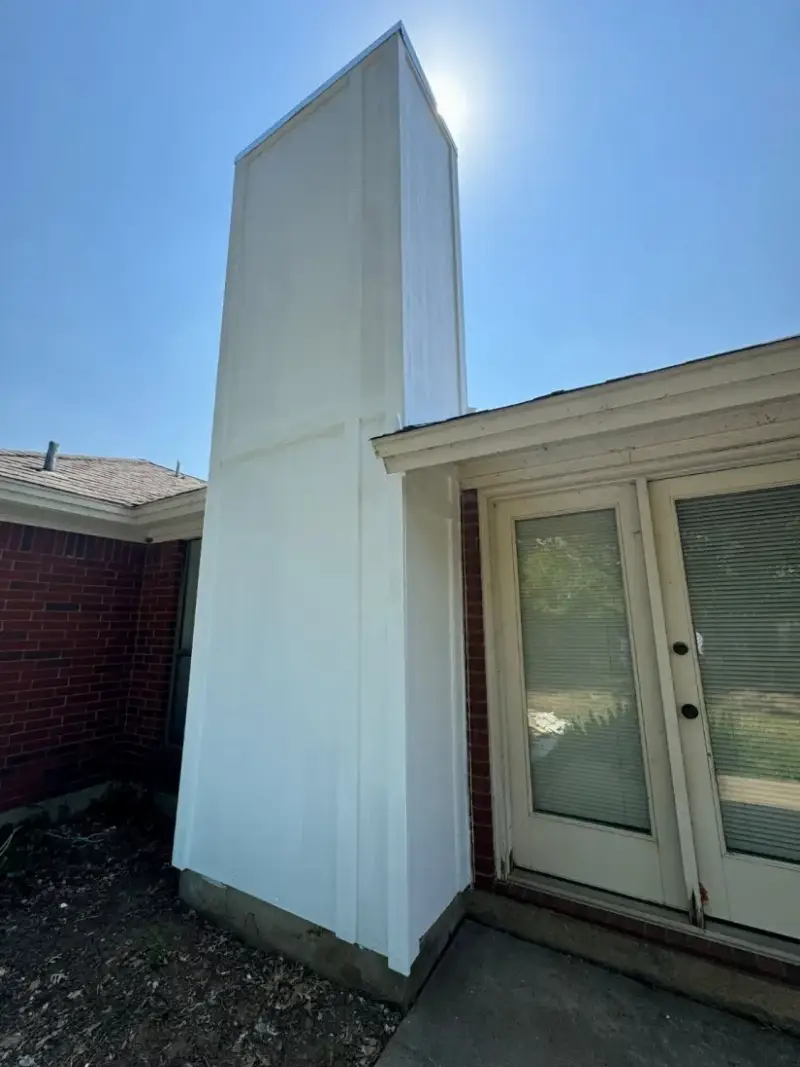
What tuckpointing actually involves
On a chimney, tuckpointing is a two-part job. First, a technician grinds or rakes the deteriorated mortar out of each joint to a consistent depth, typically around a quarter to a half inch, deep enough to reach solid material. Then the joint is repacked with fresh mortar and tooled to shed water and match the original profile. Done right, the new joints lock back into the masonry and restore the barrier that keeps water out of the wall.
One detail separates a lasting repair from one that cracks within a season: mortar matching. Old chimneys were often built with a softer mortar than modern high-strength blends. Packing a rigid, cement-heavy mortar into a joint on softer, older brick can force the brick itself to crack under seasonal movement. A good mason matches the new mortar's strength and color to what your chimney was built with, not just whatever is in the truck.
Warning signs your joints are failing
You do not need to climb anything to spot most of these. From the ground with binoculars, or from a window that faces the chimney, look for:
- Recessed or hollow joints where the mortar sits noticeably deeper than the brick face, so the joint no longer sheds water.
- Sandy, powdery mortar you can scrape loose with a key or a fingernail. Once the binder has failed, the mortar has lost its grip.
- Cracked joints or gaps that open a path for rain to run behind the brick.
- Grit collecting below the chimney after storms, a sign the joints are actively eroding.
- White, chalky staining on the brick, which points to water moving through the masonry.
Two related problems often show up alongside failing mortar. If you also see the brick faces themselves spalling or peeling, read why chimney bricks crumble or flake, because that can mean the damage has moved past the joints. And if you notice chalky mineral deposits, our guide to what causes white stains on chimney bricks explains the water pathway behind them.
Why failing mortar is more than a cosmetic issue
Mortar joints are the chimney's raincoat. When they open up, water gets into the wall, and in a damp climate that water does its worst work over the winter. It soaks into the masonry, freezes, expands, and pries the brick and mortar apart a little more with every freeze-thaw cycle. Left alone, a joint problem you could have tuckpointed becomes crumbling brick, a leaning stack, and eventually a rebuild. Water intrusion can also reach the flue and interior, which is why a thorough chimney inspection checks the masonry, not just the firebox.
What you can safely do, and what to leave to a pro
The safe homeowner move is observation, not repair. Look at the chimney from the ground and from a window, note anything on the warning-sign list, and photograph it so you have a record. Do not climb onto the roof to inspect or patch joints yourself. Roof work near a chimney is a genuine fall hazard, and smearing surface mortar over failing joints traps moisture instead of fixing it, often making the eventual repair larger.
A professional evaluation tells you which repair the chimney actually needs. That distinction matters because the three common fixes are not interchangeable:
- Tuckpointing / repointing restores the mortar joints while keeping sound original brick.
- Partial rebuild replaces a damaged section, typically the exposed crown or top courses of brick above the roofline.
- Full rebuild is reserved for a chimney that is structurally unsound or leaning.
Which one fits depends on how deep the damage runs, and that is an on-site judgment. If you are weighing repair against replacement, our overview of chimney repair versus rebuild walks through where the line falls. When the joints are the problem, chimney tuckpointing is the targeted answer.
How to keep it from coming back
Fresh mortar buys you years, but a few habits stretch that further. Have the chimney inspected annually so joint problems are caught while they are still small and inexpensive. Keep gutters and roof drainage clear so runoff is not constantly sheeting over the masonry. After tuckpointing, a breathable masonry water repellent can slow water absorption, though it is a supplement to sound joints, not a substitute; our look at whether chimney waterproofing really works covers what it can and cannot do. Address any active leak promptly rather than letting water keep working on the mortar through another wet season.
Frequently Asked Questions
Is tuckpointing the same as repointing?
In everyday chimney work the terms are used interchangeably for the same core job: grinding out failed mortar and repacking the joints with fresh mortar. Strictly speaking, some masons use tuckpointing to describe a decorative two-color finishing technique, while repointing means the structural mortar replacement. Either way, if a technician tells you your chimney needs tuckpointing, they mean your mortar joints are being repaired.
How long does chimney tuckpointing last?
When the mortar is properly matched and the work is done to depth, tuckpointed joints can last for decades, often comparable to the original mortar's lifespan. Longevity depends on climate exposure, water management, and whether the underlying brick was still sound at the time of repair. Annual inspections help you catch any early re-deterioration before it spreads.
Can I just seal or paint over crumbling mortar instead?
No. Sealing or painting over failed joints traps moisture inside the wall and hides the problem rather than fixing it, which usually makes the eventual repair larger. Failed mortar has to be physically removed and replaced. A breathable water repellent has a role only after the joints are sound, never as a way to avoid repacking them.
What does chimney tuckpointing cost?
Cost varies widely with the height and accessibility of the chimney, how much of the mortar has failed, the mortar match required, and access and scaffolding needs. Prices also shift by region and over time, so treat any figure as a ballpark. The reliable path is to request a quote after an on-site evaluation, since the amount of joint work simply cannot be judged accurately from the ground.
How do I know if my chimney needs tuckpointing or a full rebuild?
If the bricks are still solid and only the mortar joints have failed, tuckpointing is usually enough. A rebuild is reserved for chimneys with widespread crumbling brick, structural movement, or leaning. Because the depth of damage is often hidden, this is an on-site call, sometimes aided by inspection tools, not something to diagnose remotely.