
By the Miles Chimney Sweep team · Published Aug 21, 2026
Yes, and not just a quick glance from the driveway. The national chimney standard, NFPA 211, treats an earthquake or a damaging storm as an "event," and after an event the appropriate check is a Level 2 inspection: a technician examines every accessible part of the system and runs a video camera through the flue. The reason is simple and a little unsettling. The chimney is often the first part of a house to crack when the ground shakes, and the damage that matters most, fractured flue tiles, opened mortar joints, a shifted crown, hides where you can't see it from the yard.
In wet climates, this is not hypothetical. Thousands of older homes here have unreinforced masonry chimneys built before modern seismic codes, and our fault system has already shown exactly what it does to them.
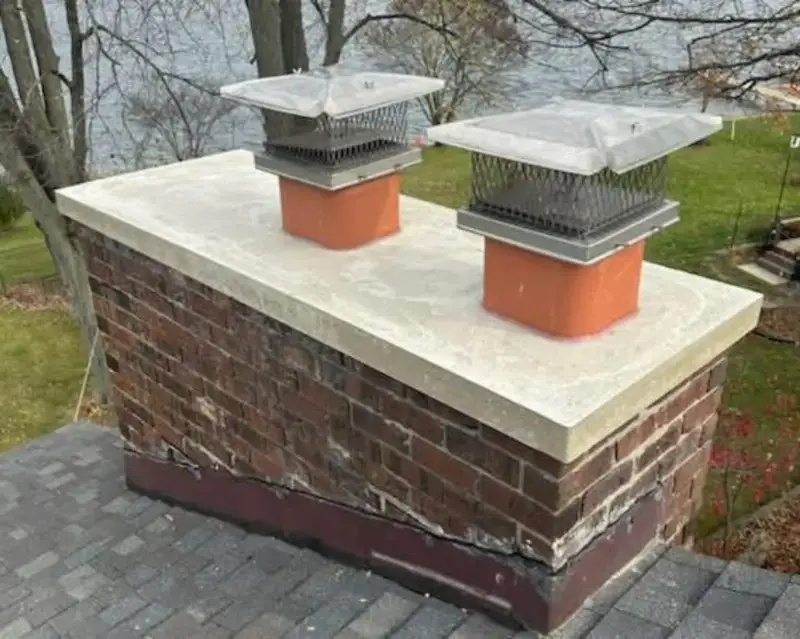
Why the Chimney Is Often the First Thing to Break
A masonry chimney is a tall, heavy, brittle tower attached to a flexible wood-framed house. When the ground moves, the house sways and the chimney doesn't, so the two fight each other, and the chimney loses. The classic failure point is right at the roofline, where the rigid stack meets the moving frame: mortar joints open, bricks shear, and the section above the roof can rotate or shed bricks into the yard. Inside, the clay tiles lining the flue can crack even when the exterior looks completely untouched.
This is documented local history, not scare copy. After the magnitude 6.8 Nisqually earthquake in February 2001, a USGS street survey of roughly 60,000 chimneys in the your local area area identified more than 1,500 with visible damage, and that count only included what surveyors could see from the sidewalk. The City of your area afterward required damaged chimneys to be braced, repaired, or removed, because a cracked chimney is a falling hazard on top of being a fire and venting problem. Homes built before modern seismic codes often have unreinforced masonry chimneys, no steel inside, just stacked brick and mortar, and those fared worst.
What a Windstorm Does Without Touching a Single Brick
the fall and winter windstorms damage chimneys in quieter ways than an earthquake does, and the damage is just as easy to miss:
- The cap. Wind can bend a chimney cap or tear it off entirely, leaving the flue open to rain, debris, and animals.
- The crown and upper masonry. A falling branch can crack the concrete crown or knock masonry loose, damage you usually can't see from the ground.
- The flashing. Lifted or peeled flashing opens a slow leak path. The ceiling stain often doesn't appear until weeks after the storm.
- The flue itself. Wind-driven debris, shredded nesting material, and broken cap screening can end up partway down the flue as a blockage.
That last one is the dangerous one. A blocked or disconnected flue pushes combustion gases, including carbon monoxide, back into the house instead of up and out. The Consumer Product Safety Commission specifically lists checking chimneys and flues for blockage, damage, and loose connections as part of preventing CO poisoning. This applies to gas appliances venting through the chimney just as much as wood-burning fireplaces.
Why an "Event" Calls for Level 2, Not the Usual Annual Check
Chimney inspections come in three defined levels, and the difference is scope. A Level 1 is the routine annual inspection of the readily accessible parts of a system that hasn't changed. A Level 2 adds the accessible portions of the attic, basement, and crawlspace, plus a video scan of the flue interior. Under NFPA 211, as summarized in CSIA's homeowner guidance, a Level 2 is called for when a home is sold, when the appliance or fuel type changes, and after an event likely to have caused damage: a building fire, a chimney fire, a seismic event, or severe weather.
The logic is simple: event damage hides. Cracked flue tiles don't show from the firebox, and a separated smoke-chamber joint doesn't show from the roof. Only a camera documents the liner's actual condition, and the written report is exactly the documentation an insurance claim usually asks for. For a full breakdown of what each level covers, see our guide to the three chimney inspection levels.
Warning Signs You Can Check, From the Ground
- Bricks, chunks of mortar, or pieces of clay tile in the yard, in the gutters, or visible on the roof
- A new lean, or a fresh gap opening between the chimney and the siding or roofline
- New cracks in the exposed masonry above the roof (binoculars from the yard work fine)
- Grit, mortar crumbs, or broken tile shards in the firebox or on the smoke shelf
- A damper that is suddenly stiff, misaligned, or won't seat properly
- A missing, dangling, or visibly bent chimney cap
- A new water stain on the ceiling or wall near the chimney after a storm
Two cautions. Finding none of these does not clear the chimney, the Nisqually survey counted only street-visible damage. And stay off the roof: after a quake or storm, masonry that looks stable may be loose, and roof checks are a job for someone with fall protection.
What to Do Until It's Inspected
- Don't light a fire, and keep gas logs or inserts that vent through the affected chimney off as well, shifting can disturb vent connectors, and gas systems need the same post-event check
- Test your carbon monoxide alarms and replace batteries if you can't remember the last change
- Photograph any visible damage from ground level, with dates, for your records and your insurer
- Keep people and parked cars away from a chimney that is leaning or shedding bricks
- Schedule a Level 2 inspection and mention it's post-event, so the visit is scoped correctly from the start
Make the Next Event Boring
The best preparation is a paper trail. An annual inspection gives you a documented baseline, so after a quake or storm there is a clear before-and-after for repairs and claims. Keeping the cap and crown in good repair removes a windstorm's easiest targets. If your home is older, ask during a routine visit about repair, rebuild, or bracing options, all of which require an on-site look at your specific masonry, never a guess over the phone. And a sealed-up flue still stands over your roof in an earthquake, which is one reason unused chimneys still need inspections.
If a quake has rattled your neighborhood or a windstorm has come through, request a quote or call 866-309-2130 and we'll get the flue verified before your next fire.
Frequently Asked Questions
How soon after an earthquake or storm should the chimney be inspected?
There's no fixed deadline in the standard, the real rule is before the next fire. If the fireplace or a connected appliance is out of season anyway, you can schedule at normal speed; if you're mid-winter and relying on it for heat, treat the inspection as the thing standing between you and safe use. Visible damage, a leaning stack, or debris in the firebox moves it to the top of the list regardless of season.
Do small local earthquakes count, or only big ones like Nisqually?
Magnitude alone doesn't decide it, what matters is how hard your ground actually shook. The Nisqually data showed damage clustering sharply by neighborhood, sometimes changing block to block. A practical test: if the shaking moved objects in your house or your neighbors are finding cracks, treat it as an inspection trigger. A brief jolt that rattled windows and nothing else is a judgment call, but a camera scan is cheap insurance compared to what a cracked liner can do.
Will a post-event inspection report help with an insurance claim?
It provides the piece insurers almost always ask for: dated, professional documentation of the chimney's condition, including camera footage of the flue interior. Whether specific damage is covered depends entirely on your policy, earthquake and storm damage are often handled under different provisions, so the report supports a claim but can't guarantee one. A pre-existing annual inspection record strengthens your position further, because it establishes what the chimney looked like before the event.
Is a factory-built metal chimney safer in an earthquake than masonry?
Generally it tolerates shaking better, because a metal system flexes with the house instead of fighting it. But it isn't exempt: sections can shift at their joints, supports and bracing can loosen, and storm-side risks, cap damage, debris, flashing leaks, apply just the same. A metal system that has been through a significant quake or taken a tree strike deserves the same post-event inspection as brick.