
By the Miles Chimney Sweep team · Published Aug 21, 2026
Before you do anything, find out which bird you have, because it changes what is legal. A single bird that fell down the flue and is fluttering behind your damper can usually escape on its own: open the damper, close the room off, darken it, and leave one window or door as the only light source so the bird flies toward daylight. But if you hear a chattering rumble or the chirping of chicks over several days, you likely have chimney swifts, which are protected under the federal Migratory Bird Treaty Act and cannot be removed while nesting. Never light a fire to force any bird out.
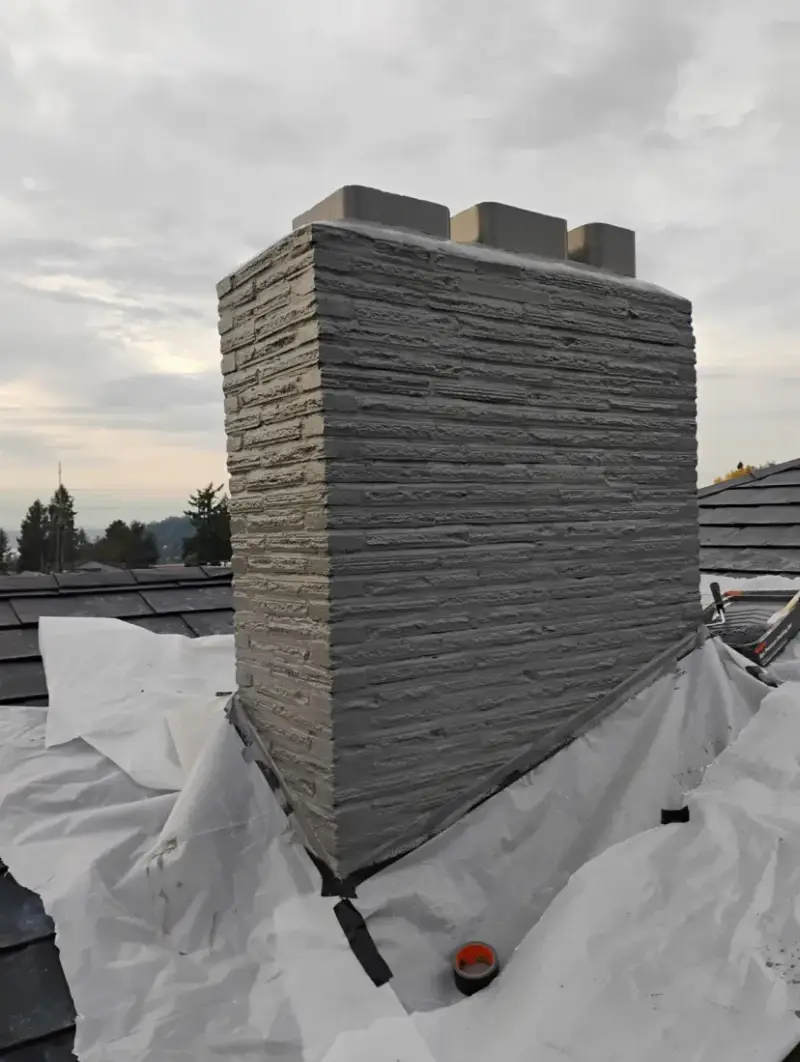
First, figure out what is actually in your chimney
The right response depends entirely on the situation, so start by listening and looking rather than reaching in.
- A single trapped bird is usually silent-then-frantic: you hear scratching, flapping, or a bird bumping against the smoke shelf or damper. It fell or flew in by accident and simply cannot find its way back up.
- Chimney swifts are different. These small, cigar-shaped birds deliberately nest inside masonry flues, gluing a half-saucer nest to the wall with their saliva. You will often hear a loud mechanical chattering from the adults and, later, the insistent chirping of hungry chicks. Swift pairs tend to return to the same chimney year after year, arriving in spring and leaving by late summer or early fall.
Warning signs you should not ignore
- Persistent chirping or a rolling, chattering call coming from inside the flue for days at a time.
- A strong odor, or flies, which can mean a bird has died in the flue and needs professional removal.
- Nesting debris, feathers, or droppings falling into the firebox.
- Any bird behind a closed glass door or damper that cannot reach the room.
Safe steps for one trapped (non-swift) bird
If a lone bird is stuck below the damper and it is not a nesting swift, you can often help it out yourself from inside the house:
- Close doors to seal off the room, and cover or move anything breakable.
- Open the damper fully and remove the glass doors or screen so the fireplace opening is clear.
- Draw the curtains and turn off the lights, then open one exterior door or window so the only light comes from that opening. Most birds fly toward the light and leave within an hour.
- If the bird lands and stays, gently drape a towel over it, cup it loosely, and carry it outside to release. Wear gloves and wash your hands afterward.
Never climb onto the roof to reach down the chimney, and never light a fire or use smoke to drive a bird upward. If the bird will not leave, or you cannot safely reach it, stop and call a professional. Our chimney animal removal service handles this without harming the bird or your flue. For the broader situation with squirrels, raccoons, or other critters, see what to do when an animal is stuck in your chimney.
If you have nesting chimney swifts
This is where the law matters. Because swifts are federally protected, the honest answer is that you generally have to wait. You cannot legally evict an active nest, and no responsible sweep will. The good news is that the stay is temporary: swifts typically finish raising their young and migrate south by late summer or early fall, and they eat enormous numbers of flying insects while they are your guests. Keep the damper closed so nothing drops into the living space, avoid using the fireplace, and simply let the season run its course.
Once you are certain the birds have gone, that is the time to act: have the chimney inspected, any old nesting material removed, and a proper cap installed so the next spring's pair cannot move back in.
Prevention: the one fix that actually lasts
Every bird problem ends the same way, with a cap. A stainless-steel chimney cap with mesh screening keeps birds, squirrels, rain, and embers out of the flue while still letting smoke escape. It is the single most cost-effective piece of chimney hardware you can add. If you are weighing your options, our guide to whether you need a chimney cap walks through the details, and the difference between a cap and a chase cover explains which one your chimney actually needs. Install it during the off-season, after any swifts have migrated, so you are never sealing a bird inside.
Serving homeowners across the your local area area, we can inspect your flue, confirm it is empty, and fit the right cap. Call 866-309-2130 or request a quote.
Frequently Asked Questions
How can I tell a chimney swift from a bird that is just stuck?
A stuck bird flaps and scratches frantically and wants out. Chimney swifts settle in on purpose: you will hear a loud, mechanical chattering from the adults and, once eggs hatch, days of chirping from chicks. Swifts also return to the same chimney each spring, so a recurring seasonal noise is a strong clue.
When is it legal and safe to cap my chimney against swifts?
Wait until the birds have clearly left for the season, typically by late summer or early fall, then have the flue inspected and any old nest removed before the cap goes on. Capping while a nest is active is both illegal under the Migratory Bird Treaty Act and cruel, since it traps the birds inside.
Is a dead bird or old nest in my chimney a health or fire risk?
It can be both. A decaying bird produces odor and attracts flies, and dried nesting material is combustible and can partially block the flue, raising the risk of a chimney fire or a carbon monoxide backup. Have it professionally cleared and the flue checked before you burn again.
Will a chimney cap keep swifts out for good?
A properly fitted stainless-steel cap with mesh screening blocks swifts, other birds, and small animals from entering the flue, so a returning pair cannot get back in. The key is installing it in the off-season when the chimney is confirmed empty, never while birds are present.
Do I need to remove the old nest after the swifts migrate?
Yes. Once the birds are gone for the season, leftover nesting debris should be cleared during a routine sweep because it is flammable and can obstruct the flue. This is also the ideal moment to install a cap so the chimney stays empty next spring.