
By the Miles Chimney Sweep team · Published Aug 21, 2026
For almost every home with a masonry or metal chimney, yes, you really do need a chimney cap. A cap is the small metal cover with mesh sides that sits over the top of your flue, and it does three jobs at once: it keeps rain and snow out, blocks birds and animals from getting in, and stops leaves and embers from passing through. It is not usually required by law, but skipping it invites the single most expensive kind of chimney damage there is. Here is the curious part: the biggest threat a cap protects against is not fire at all. It is water.
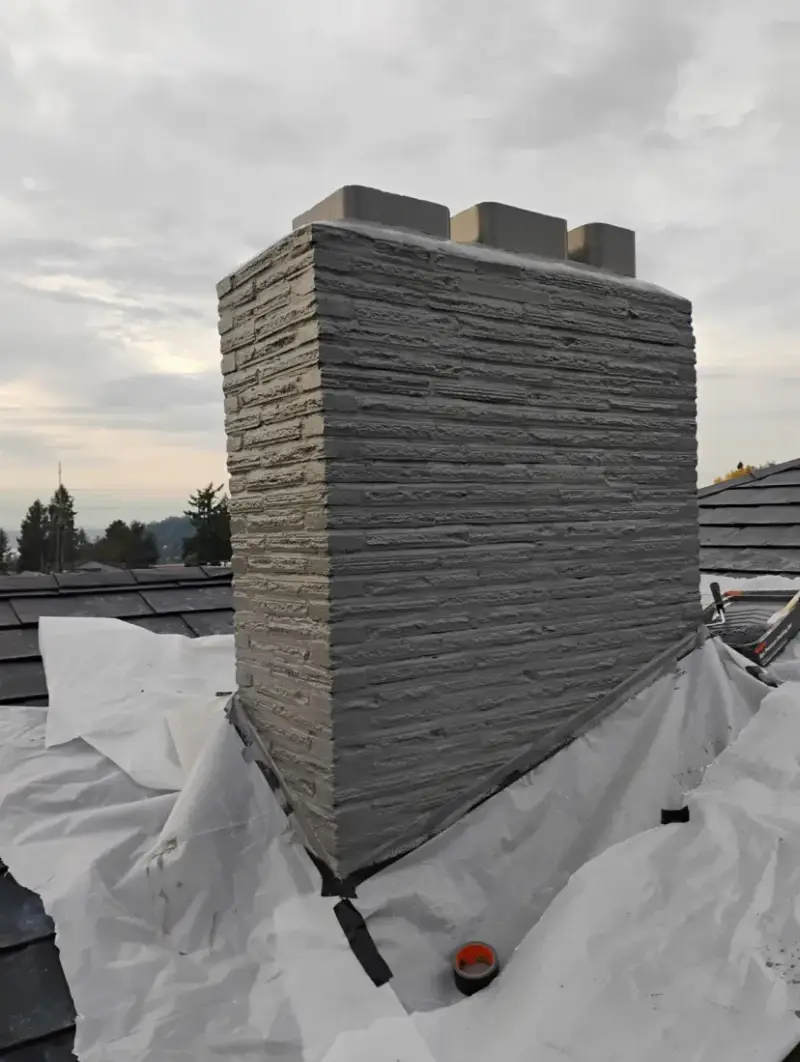
What a chimney cap actually does
A cap is a modest piece of stainless steel or copper, but it earns its place. Think of it as an umbrella and a screen door for your chimney at the same time. Its four main jobs:
- Keeps water out. An uncapped flue lets rain and melting snow fall directly into the chimney, where it attacks the flue liner, rusts the damper, and soaks the masonry. In our freeze-thaw damp winters, that trapped moisture freezes, expands, and cracks brick and mortar apart, a process called spalling.
- Blocks animals. A warm, sheltered flue is prime real estate for birds, squirrels, and raccoons. A capped chimney simply denies them the entrance.
- Stops debris. Wind carries leaves, twigs, and pine needles into an open flue, where they pile up and block the draft, or worse, become tinder.
- Catches embers. The mesh sides double as a spark arrestor, catching hot embers before they land on your roof or a neighbor's. The NFPA 211 standard specifies spark-arrestor screening for exactly this reason.
What a missing or broken cap causes
When there is no cap, or the old one has rusted through, the damage tends to arrive quietly and then all at once. The warning signs to watch for:
- Water stains on the ceiling or wall near the chimney, or a musty smell when it rains. This is often the first clue of a leak, and our guide to why chimneys leak when it rains walks through the usual culprits.
- Scratching, chirping, or fluttering sounds from inside the flue, which usually means something has moved in. If that is happening, see what to do about an animal stuck in your chimney, and if the visitors are winged, our piece on getting birds out of a chimney.
- Rust flakes or orange staining on the damper or firebox.
- A draft that suddenly draws poorly because debris or a nest is choking the flue.
What you can safely do yourself
From the ground, you can look up at the top of your chimney with binoculars. A healthy cap sits square over the flue with intact mesh and no heavy rust. If you can see daylight where a cap should be, or the mesh is torn or missing, you have a gap that needs closing. That is the safe extent of homeowner inspection here. Do not climb onto the roof to check or install a cap yourself. Roof and chimney-top work is a genuine fall hazard, and a cap that is the wrong size or poorly secured will blow off or trap moisture.
The professional solution
A chimney technician measures your flue, selects a correctly sized stainless or copper cap, and secures it from the roof, confirming the mesh meets spark-arrestor spacing. During an annual inspection we also check whether an existing cap is doing its job or quietly failing. If you are weighing a cap against a full chase cover, our comparison of a chimney cap versus a chase cover explains which one your chimney type needs. Because sizing and secure mounting matter, and because we cannot judge a flue's condition from the ground, cap selection and fit are best confirmed on-site.
Prevention: the cheapest insurance on your chimney
A quality cap is one of the least expensive parts of a chimney, yet it prevents some of the most expensive repairs, liner replacement, masonry rebuilds, and water-damaged interiors. Pair it with an annual inspection so a cracked or displaced cap gets caught before a wet winter finds the gap. If your chimney is already showing moisture stains, it is worth asking whether waterproofing or minor masonry work should go alongside a new cap.
Not sure whether your chimney is capped or whether the one up there still works? Request a quote or call us at 866-309-2130 and we will take a look.
Frequently Asked Questions
Is a chimney cap required by law?
A rain cap is generally not mandated by state law for existing chimneys, so it is a strong recommendation rather than a legal requirement in most cases. However, spark-arrestor screening, which caps provide, is referenced in the NFPA 211 fire standard and may be required by local code in higher fire-risk areas. Your best move is a professional inspection that confirms what your specific chimney needs.
Does the cap material really change how long it lasts?
Yes, significantly. Galvanized steel caps can rust out in a handful of years, while stainless steel and copper caps often last decades. In a wet climate, moisture-resistant stainless or copper is worth the difference, and an annual inspection catches a cap that has begun to rust, loosen, or shift.
Can I use my fireplace without a cap?
You physically can, but you are leaving the flue exposed to rain, animals, and debris, and losing the ember-catching benefit of the mesh. The chimney will still draft, but every rainfall adds moisture damage and every windstorm can drop debris inside. It is safer to have a properly fitted cap installed before regular use.
Will a chimney cap stop downdrafts or smoke problems?
A standard cap is not designed to fix draft problems, and those usually have other causes such as flue sizing, height, or nearby obstructions. A cap can occasionally make a marginal downdraft slightly worse or better depending on the situation, so draft issues need their own diagnosis. Our article on chimney downdrafts covers the common causes in detail.