
By the Miles Chimney Sweep team · Published Aug 21, 2026
Late spring through midsummer, roughly May to August, is the best time to schedule a chimney sweep, precisely when you have stopped thinking about your fireplace. The standard behind chimney care, NFPA 211, calls for an inspection every year but never names a month. Book in the off-season and you get your pick of appointments, plus dry weather for any repairs the visit turns up. Wait for the first cold October rain, and you are competing with every other fireplace owner in a wet climate.
And here is the surprise: summer is often when a dirty chimney gives itself away. Creosote smells stronger in warm, humid weather, that faint campfire odor in July is your chimney raising its hand.
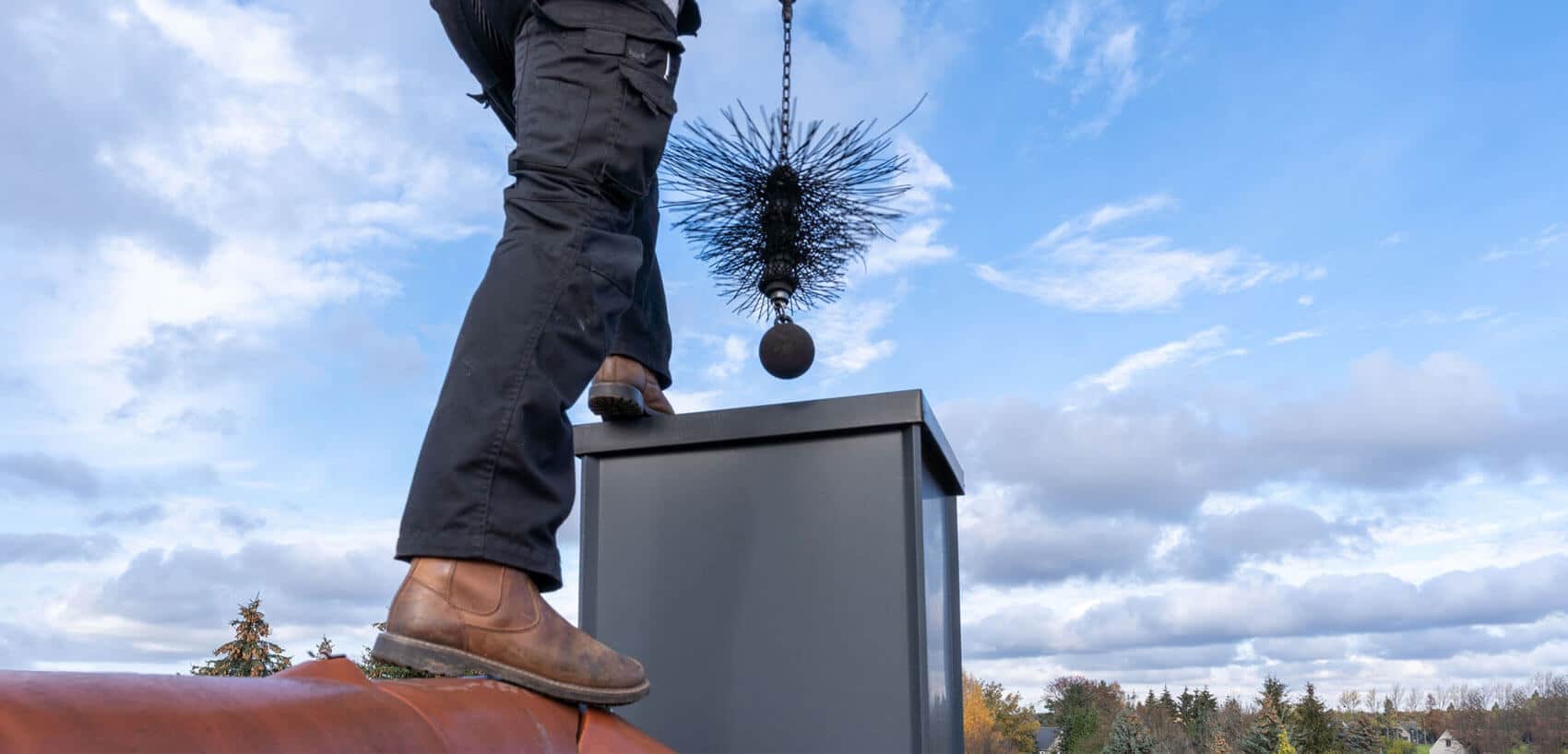
Timing Is Not the Same Question as Frequency
First, separate two questions that get blurred together. How often your chimney needs attention is covered in how often your chimney should be swept. This article answers the other one: once a visit is due, which month should you pick?
Why Late Spring and Summer Win
- The repair runway. A failing crown, worn mortar, or flashing trouble needs dry, mild weather to fix, the same goes for chimney waterproofing. the dry window is short; book in May and it is all still ahead of you.
- Easy scheduling. Off-season calendars have room. Fall calendars do not.
- A cold, idle system. An unused flue is simple to inspect and sweep, with no interruption to your heating.
- A ready fireplace. When the first raw October evening arrives, you light a fire instead of hunting for an appointment.
The Summer Smell Test
CSIA notes that creosote odor gets noticeably worse in summer, when humidity is high. In our damp maritime climate, a flue carrying real deposits often announces itself in July or August with a smoky, tar-like smell indoors. Treat it as a booking reminder: the flue is holding deposits worth removing.
A Booking Calendar
- April, June: Prime time. Book your chimney sweep and order next winter's firewood, the EPA's Burn Wise program says wood needs at least six months of seasoning and under 20 percent moisture, so spring-stacked wood is ready by fall.
- July, September: The repair window. Masonry, crown, and cap work happens while the bricks are actually dry.
- October, November: The rush. If you have not booked, call anyway, expect less flexibility, not a reason to skip.
- Winter: No month is wrong, if you are burning on an uninspected flue, book now, not in spring.
Signs That Should Not Wait for a Convenient Season
Seasonal strategy is for routine service. Call promptly if you notice:
- Smoke rolling into the room instead of drafting up the flue
- A strong campfire or tar smell indoors, especially on humid days
- Flaky black or shiny, tar-like deposits just above the damper
- Rustling or nesting debris, many birds, including chimney swifts, are federally protected, so removal timing and methods are constrained and belong to a professional
- Water stains, dampness, or a musty smell around the fireplace after storms
What You Can Safely Do Between Visits
- Look at the chimney top from the ground, a missing cap or tilted crown is worth a call. Never climb on the roof yourself.
- Check that the damper opens and closes freely.
- Burn only seasoned wood; a cheap moisture meter removes the guesswork.
- Store firewood off the ground, top covered, an uncovered stack here soaks up the moisture you spent six months removing.
What the Professional Visit Covers
A routine visit pairs sweeping, when deposits call for it, with a chimney inspection of the accessible flue, firebox, and connections, plus the cap, crown, and flashing from proper roof access. One honest caveat: hidden liner damage or the true source of a leak cannot be fully diagnosed from the hearth, it typically takes an on-site evaluation, often with a camera.
Ready to claim a spot before the fall scramble? Call 866-309-2130 and pick the appointment time you actually want.
Frequently Asked Questions
Is a chimney sweep cheaper in the summer?
Sometimes, but do not count on it. Demand is lower outside the fall rush, so some companies offer more flexible scheduling or off-season pricing, but cost depends on the company, the flue's condition, and your region, and prices change over time. The reliable off-season advantage is availability.
We didn't use the fireplace at all this year. Can we skip the visit?
No. NFPA 211's annual inspection standard applies even to idle flues, animals can nest in an unused chimney, and weather-driven deterioration continues whether or not you burn. The inspection may simply confirm no sweeping is needed, which is still worth knowing before the first fire.
Do gas fireplaces follow the same seasonal advice?
Yes. Gas appliances still need an annual inspection, venting problems and blockages do not care about the fuel, and the same off-season logic applies: easier appointments, and time to fix anything found before heating season.