
Chimney waterproofing is the application of a vapor-permeable masonry water repellent to the exterior brick and mortar of a sound chimney. Unlike a paint or sealer that forms a film, the right product soaks into the pores of the masonry, blocks liquid rainwater from being absorbed, and still lets water vapor escape from the inside so the chimney can dry out. In a wet climate, that absorbed water is what drives long-term decay: it soaks into brick, freezes on cold nights, expands, and cracks the masonry from within. Waterproofing slows that cycle. Important: it is a preventive treatment for healthy masonry, not a repair for an active leak or crumbling brick.
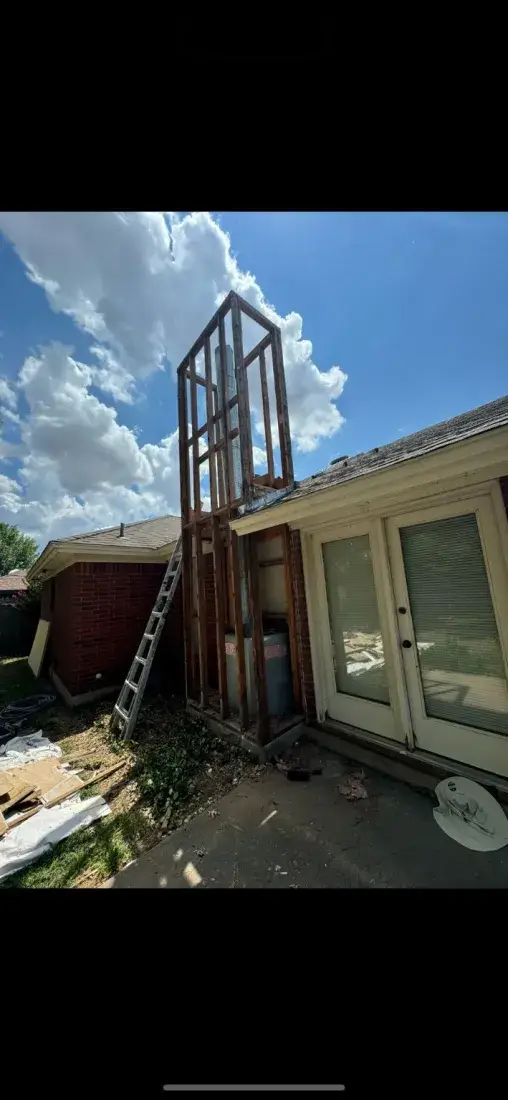
What chimney waterproofing actually is
A professional-grade chimney water repellent is typically a siloxane- or silane-based formula designed specifically for vertical masonry. It penetrates a short distance into the brick and mortar and lines the pores so liquid water beads up and runs off instead of soaking in. Because it does not seal the surface with a film, water vapor already inside the masonry can still evaporate outward. That breathability is the whole point: masonry needs to dry, and a product that locks moisture in does more harm than good.
Waterproofing covers the porous exterior masonry, the brick and the mortar joints. It is not a substitute for a chimney cap, a sound crown, or intact flashing. Those components are the primary defense against water entry; this treatment reduces how much rain the brick itself drinks up between them.
Signs waterproofing may help, and signs it won't
Waterproofing is a good fit when the masonry is structurally sound but exposed and thirsty. Consider it if you see:
- White, chalky staining on the brick (efflorescence), a sign water is moving through and evaporating out of the masonry
- Brick that looks damp long after the rain stops, or darkens heavily when wet
- Early surface spalling or flaking on a chimney that is otherwise solid
- A recently repaired or repointed chimney you want to protect going forward
It is the wrong tool when the real problem is a defect. Water dripping into the firebox or staining a ceiling points to a cap, crown, or flashing failure, not thirsty brick. Crumbling, deeply spalled brick or open mortar joints need masonry repair and tuckpointing first. A leaning chimney or cracked crown needs structural attention. Applying repellent over any of these hides the symptom without fixing the cause, and can seal moisture inside. Our chimney repair and crown repair services cover those defects; this page is only about the protective treatment that comes after they are resolved.
What to expect from the service
A waterproofing visit starts with an inspection, because sealing the wrong chimney wastes the treatment. A technician checks the crown, cap, flashing, and mortar joints for defects that would let water bypass the brick entirely. If repairs are needed, those come first and the masonry is given time to dry, because repellent should only go onto clean, dry, sound surfaces. Applying to damp brick traps the moisture underneath.
When the chimney is ready, the repellent is applied to the exterior masonry, usually by low-pressure spray in an even, saturating coat so it penetrates properly. Coverage depends on how porous your brick is. After it cures, rain beads and sheds off the surface instead of soaking in. A quality vapor-permeable treatment lasts several years before it needs reapplication, though the exact interval varies with exposure, product, and how weathered the masonry was to begin with. We can give you a realistic expectation for your chimney after we see it.
Why use a professional
The value of professional waterproofing is mostly in the judgment before the spraying. A trained technician confirms the masonry is actually a candidate, rules out an active leak that a coating would only mask, and selects a breathable product rated for chimneys rather than a hardware-store sealer that could trap moisture. The application itself also involves working at height on a roof and around a live flue, which is not a safe DIY project for most homeowners. Getting the product choice and timing wrong can lock water into the masonry and accelerate the very freeze-thaw damage you were trying to prevent.
Why this matters in your local area
The your region is a demanding environment for exterior masonry. Long, wet stretches keep chimneys saturated for weeks at a time, and our shoulder-season nights routinely dip below freezing while daytime temperatures climb back above it. That repeated freeze-thaw cycling on water-logged brick is one of the main reasons masonry chimneys deteriorate here: absorbed water freezes, expands, and fractures the brick and mortar from the inside out. A breathable water repellent reduces how much water the masonry takes on in the first place, which is a genuine advantage in this climate, as long as it is applied to a chimney that is already sound and dry. If you are unsure whether waterproofing or a repair is what your chimney needs, our guide on whether chimney waterproofing actually works walks through the distinction, or just request a quote and we will tell you honestly after an inspection.
Frequently Asked Questions
Will waterproofing stop my chimney from leaking?
Not on its own. Waterproofing reduces how much rain sound brick absorbs, but if water is actively getting inside, the cause is almost always a cracked crown, a failed cap, or bad flashing. Those defects have to be found and repaired first. A repellent applied over an active leak can trap moisture and make things worse, so we inspect before recommending it.
Why can't I just use a masonry sealer from the hardware store?
Many general-purpose sealers and masonry paints form a surface film that blocks water vapor from escaping. On a chimney, trapped moisture freezes and expands in winter, which spalls the brick and pops mortar joints, the exact damage you were trying to prevent. A proper chimney treatment is vapor-permeable: it sheds liquid water but still lets the masonry breathe and dry out.
How long does chimney waterproofing last?
A quality vapor-permeable repellent typically protects for several years before reapplication, but the interval depends on how exposed and how porous your chimney is and on the specific product used. Heavily weathered, west-facing, or rain-battered chimneys may need it sooner. We can give you a realistic timeframe for your chimney after seeing it in person.
Do I need to repair my chimney before waterproofing it?
Yes, if there are defects. Water repellent should only go onto clean, dry, structurally sound masonry. Open mortar joints, spalled brick, a cracked crown, or a compromised cap all need to be addressed first, and the masonry needs to be dry. Sealing over problems locks moisture inside. Waterproofing is best thought of as the final step after any repairs, not a shortcut around them.
Is the whole chimney waterproofed, or just part of it?
The treatment goes on the exterior masonry, the brick and mortar joints that soak up rain. It does not replace a chimney cap, a sealed crown, or flashing, which are separate defenses against direct water entry. Think of waterproofing as protecting the brick between those components, not as a replacement for them.