
Chimney cleaning keeps the inside of your flue clear of the creosote, soot, and debris that build up every time you burn wood. It is the same hands-on service many people call a chimney sweep: clearing the passage so smoke drafts out safely instead of backing up or feeding a chimney fire. For most homeowners the real question is not what it is but when it is due. The widely recommended standard is a professional inspection every year, with cleaning done whenever the amount of buildup calls for it. If you burn often, smell a strong campfire odor indoors, or simply cannot remember your last cleaning, it is time to book one.
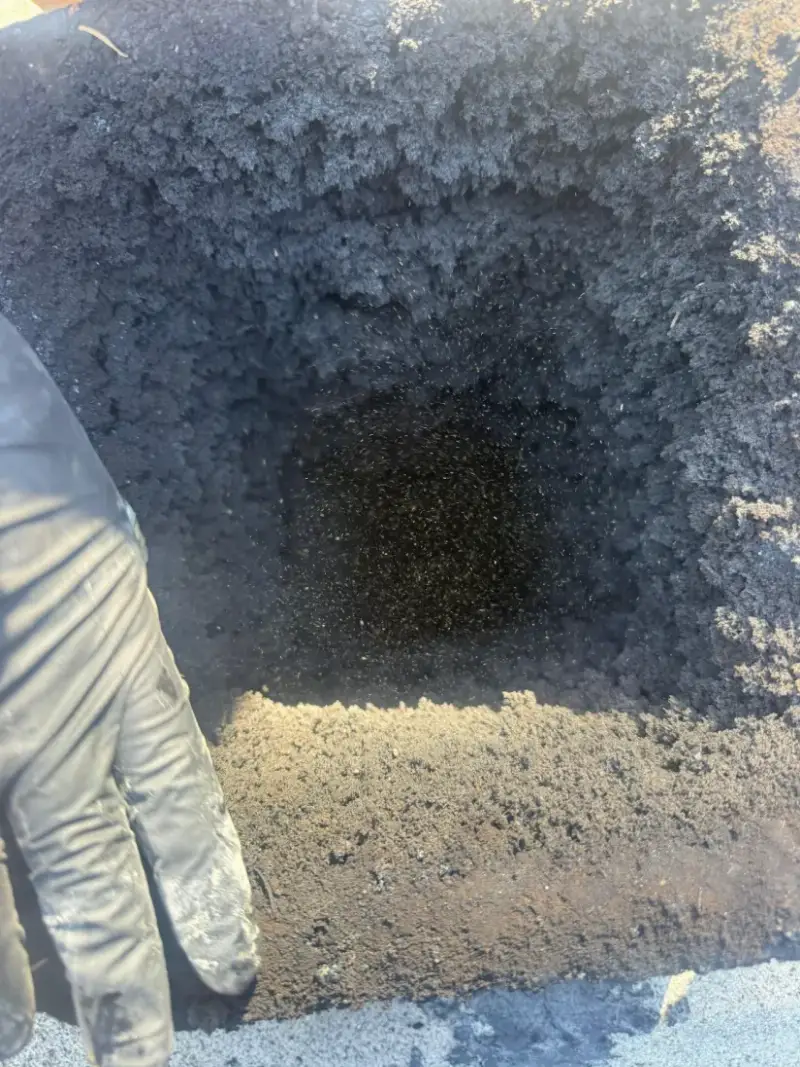
Chimney cleaning and chimney sweeping: one job, two names
There is no meaningful difference between a chimney cleaning and a chimney sweep. The terms are used interchangeably in the trade, and both mean a technician clears creosote, soot, and blockages from the flue and firebox with brushes and a HEPA vacuum. If you want the step-by-step of the visit itself, our chimney sweep page walks through exactly what is done. This page focuses on the part homeowners actually decide: how often it is needed and what keeping the chimney clean protects. For a closer look at the wording, see chimney sweep vs. chimney cleaning.
How often does a chimney need cleaning?
There is no single calendar answer, because buildup depends on how you burn. The reliable standard is an annual inspection, with cleaning performed whenever the deposits warrant it. A few things speed buildup and shorten the interval:
- How much you burn. A fireplace used most winter evenings collects creosote far faster than one lit a handful of times.
- Wood moisture. Unseasoned or wet wood burns cooler and smokier, laying down creosote quickly.
- Burn habits. Slow, smoldering, air-starved fires deposit more residue than hot, bright ones.
Because the rate varies so much, the honest answer is that an inspection tells you where you stand. Our guides on how often a chimney should be swept and how to know if your chimney needs cleaning go deeper.
What regular cleaning protects
- Fire safety. Creosote is flammable; clearing it removes the fuel a chimney fire needs.
- Better draft. A clear flue lets smoke rise instead of drifting back into the room.
- No lingering odor. Much of that campfire or tarry smell comes from buildup on the flue walls.
- Early warning. The technician sees the flue up close and can flag a problem before it grows.
When to book your cleaning
Late spring and summer are the easiest times to schedule, and getting it done then means the chimney is ready before the first cold night. There is no need to wait for a problem to appear. If you are planning ahead, our note on the best time of year for a chimney sweep covers the trade-offs.
Cleaning is not a repair
A cleaning clears buildup, but it does not fix damage. Hardened, glazed creosote can require specialized removal beyond a standard cleaning, and cracks, a failing liner, or water damage are found through an inspection, not a sweep. If a technician sees something during the cleaning, they will explain what it means and what it would take to address, so you can request a quote and decide. No one can diagnose those issues from a photo or over the phone.
Frequently Asked Questions
How often should I have my chimney cleaned?
It depends on how much you burn. The standard is an annual inspection, with cleaning done whenever the buildup warrants it. Homeowners who burn most evenings on wet wood may need cleaning more than once a season, while light users may go longer. An inspection is the reliable way to know where your chimney stands.
Do I still need a cleaning if I rarely use my fireplace?
Possibly. Even a lightly used or dormant chimney can hold old creosote, animal nests, leaves, or moisture, and an annual inspection still applies. Whether a cleaning is needed depends on what the inspection finds, not on how often you light a fire.
Can my chimney be cleaned any time of year?
Yes. Cleaning can be done in any season, and many homeowners book in spring or summer when scheduling is easier and to be ready before winter. Off-season cleaning is perfectly effective.
Will a cleaning get rid of the smoky smell in my house?
If the odor comes from creosote and soot on the flue walls, a cleaning usually reduces it significantly. Some smells are driven by humidity or a draft problem and can linger after cleaning, which points to a separate issue worth investigating rather than a dirty flue.
Is a cleaning the same appointment as an inspection?
They are separate services that pair well. An inspection evaluates the chimney condition and safety, while a cleaning removes buildup. Many homeowners schedule both together so the chimney is checked and cleared in one visit.