
Fireplace cleaning is the hands-on service that takes care of the fireplace itself: the firebox where the fire burns, the hearth in front of it, the glass doors on many units, and the flue that carries smoke up and out. Over a burning season, ash, soot, and creosote build up in these spaces, glass turns hazy, and debris collects on the hearth. This service is for homeowners in your area and across your region who want a fireplace that looks clean, drafts well, and is safe to light. It is closely tied to a full chimney sweep, but the focus here is the working fireplace you interact with, not just the masonry high above the roofline.
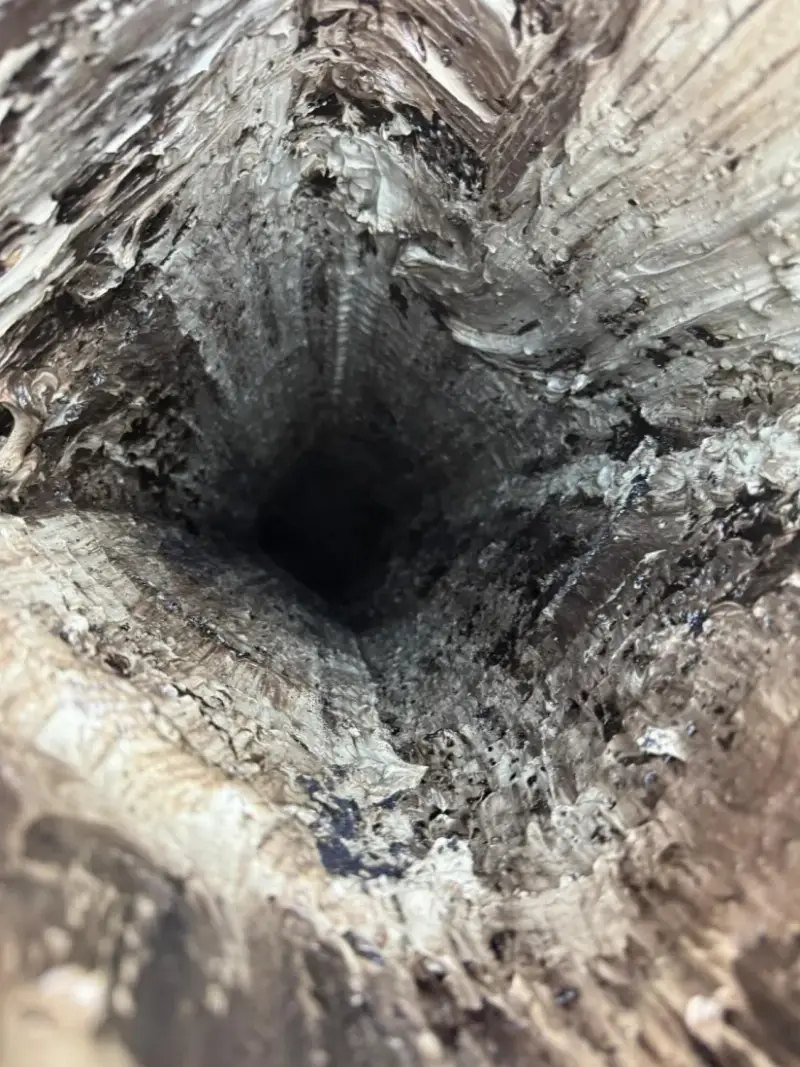
What fireplace cleaning includes
A professional fireplace cleaning typically covers the parts you use and the connected flue directly above them. Scope varies by the condition of your fireplace, but it generally includes:
- Removing built-up ash and soot from the firebox and clearing the hearth.
- Cleaning creosote and soot from the flue that serves the fireplace, using brushes and specialized tools.
- Cleaning the glass doors on units that have them, so you can see the fire clearly again.
- Checking the damper for soot buildup that keeps it from opening and closing freely.
- Containing the mess with drop cloths and a vacuum designed for fine soot, so your living room stays clean.
We keep the scope honest: fireplace cleaning is not the same as a full masonry inspection or a repair. If we spot something that needs a closer look, we will tell you what we saw and what the next step is. For a broader picture of what a complete visit covers, see our guide to what a professional chimney sweep includes.
Signs your fireplace needs cleaning
You do not always need to wait for a scheduled visit. Common signals include:
- A thick layer of ash or a black, tar-like coating inside the firebox.
- Glass doors that turn cloudy or dark quickly after a few fires.
- A strong, smoky or campfire-like smell when the fireplace is not in use, which is often worse in damp weather.
- Smoke drifting back into the room instead of drawing up the flue.
- Fires that are hard to start or will not stay lit.
Several of these point beyond simple soot. If smoke keeps coming back into the room, read why smoke comes back into your house. If you are unsure whether it is time, our overview of how to know if your chimney needs cleaning walks through the warning signs in more detail.
What to expect during the visit
Here is the general flow of a fireplace cleaning:
- Setup. We protect the floor and surrounding area with drop cloths and set up a soot vacuum before touching anything.
- Inspection of the working area. We look over the firebox, damper, and accessible flue to gauge how heavy the buildup is.
- Cleaning. We brush and remove creosote and soot from the flue, clear the firebox and hearth, and clean the glass on units that have doors.
- Final check and report. We confirm the damper moves freely, tidy up, and walk you through anything we noticed that may need attention later.
Most fireplace cleanings are completed in a single visit. The time and cost depend on how much buildup there is, the type of fireplace, and access. Because those variables matter, we give you a quote rather than a flat number up front; you can read more about what drives the price in how much a chimney sweep costs.
Why a professional does this work
Cleaning a fireplace is more than sweeping out ash. Removing creosote safely means understanding how much has built up and what type it is; some hardened, glazed deposits do not come off with a standard brush and need a different approach entirely. Industry groups such as the Chimney Safety Institute of America and the EPA Burn Wise program point to creosote buildup as a leading fire hazard, which is why the accepted standard is an annual inspection with cleaning done whenever deposits require it. A professional also spots problems a homeowner might miss, from a damper that no longer seals to early signs of a liner issue. Doing it yourself risks spreading fine soot through the house, missing hazardous deposits, and mistaking a structural problem for a cosmetic one.
Why it matters in a damp climate
Our wet, cool climate is hard on chimneys. Damp air and long stretches of rain mean moisture works its way into masonry, and a musty, smoky fireplace odor is often worse here because humidity draws it out. Moisture also mixes with soot and creosote to create that sour smell and can speed up deterioration inside the flue. Regular cleaning keeps the working parts of your fireplace in good shape through our long, damp burning season, and pairs well with the water-management steps covered in our services below.
Ready to get your fireplace clean and comfortable to use again? See all of our chimney and fireplace services or reach out for a quote.
Frequently Asked Questions
Is fireplace cleaning the same as a chimney sweep?
They overlap but are not identical. Fireplace cleaning focuses on the parts you use and see, the firebox, hearth, glass, and the connected flue, while a full chimney sweep covers the entire chimney system. A cleaning of the working fireplace almost always involves clearing the flue that serves it, so the two go hand in hand.
How often should I have my fireplace cleaned?
The accepted standard is an annual inspection, with cleaning done whenever creosote or soot deposits call for it. Households that burn frequently through a winter may need cleaning more often than those who light only a few fires a season. An inspection is what tells you whether a cleaning is due yet.
Can you get my cloudy fireplace glass clear again?
In most cases, yes. Cleaning the glass doors is a routine part of the service for units that have them. Glass that darkens quickly after only a few fires can also be a sign of incomplete combustion or excess creosote, so we will mention it if we think the cause is worth looking into.
Will fireplace cleaning make a big mess in my house?
It should not. We lay down drop cloths and use a vacuum built for fine soot to contain dust before we start. Cleaning the fireplace is a controlled process, and a good crew leaves your living room as clean as they found it.
My fireplace smells even when I am not using it. Will cleaning fix that?
Often, yes. A smoky or musty odor is usually creosote and soot reacting with moisture, and cleaning removes the source. Because a damp climate is damp, odors can persist, so if a smell lingers after cleaning we can look at draft and moisture as the next step.