
Chimney nest removal clears the twigs, leaves, feathers, and packed debris that birds and small animals leave behind in a flue - material that blocks the draft your fireplace or heating appliance depends on. When a flue is partly or fully plugged, smoke and carbon monoxide can back up into your living space instead of venting out the top, and dry nesting material sitting near a warm flue adds fuel to a potential fire. A technician inspects the flue, confirms the nest is inactive and abandoned, removes the material, and checks that the passage is fully clear before you burn again. Active nests with protected birds are a different situation, handled by law.
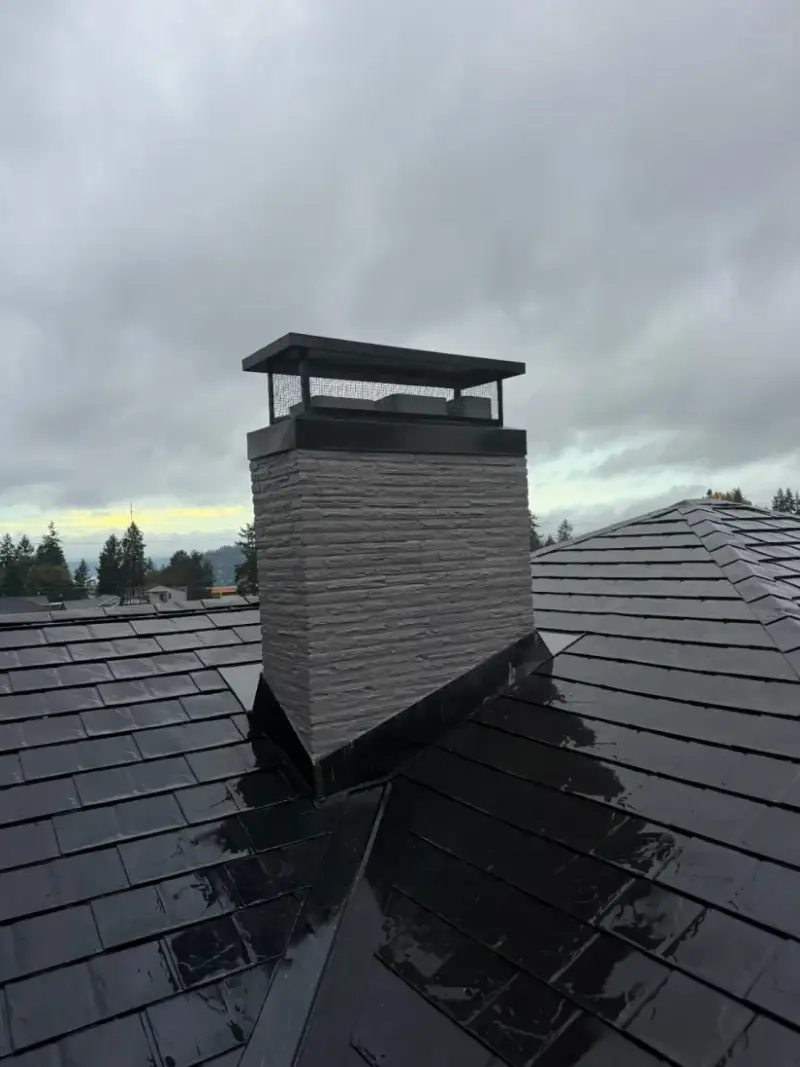
What chimney nest removal actually covers
This service is about clearing nesting material and debris - not trapping a live animal. Over a season, birds and small critters can drop twigs, grass, leaves, feathers, and other material down the flue, where it collects on a smoke shelf, wedges above a damper, or packs into the liner. Even after the animals are gone, that material stays behind and keeps blocking the draft. Nest removal focuses on getting the flue clear from top to bottom so the chimney can vent the way it was built to.
If you are dealing with a live bird or animal still inside the chimney right now, that is a separate first step - see our guide on how to get birds out of a chimney before any nesting material is cleared.
Signs there may be a nest in your chimney
- Chirping, scratching, rustling, or flapping sounds coming from inside the flue
- Smoke pushing back into the room when you light a fire, or a fire that will not draw
- A strong musty, ammonia-like, or decaying odor near the fireplace
- Twigs, leaves, droppings, or bits of nesting material falling into the firebox
- Debris or staining visible on the smoke shelf or damper
What to expect during the visit
A technician starts by inspecting the flue - often with a camera - to see what is up there and, critically, to confirm the nest is inactive and abandoned. If it is clear, the material is removed from above and below, the smoke shelf and damper area are cleaned out, and the passage is checked end to end to confirm nothing remains lodged in the liner. The chimney is then evaluated for how the material got in, so the same thing does not happen next season.
When the nest is active
If protected birds, eggs, or young are present, the law is clear: the nest stays. Under the federal Migratory Bird Treaty Act, an active nest of chimney swifts or other native migratory birds may not be removed or destroyed. In that case a technician documents the situation and schedules the clearing for after the birds have naturally left - typically once breeding season ends in the fall. We will never remove or destroy an active protected nest, and you should be wary of anyone who offers to.
Preventing it from happening again
The single most effective step after a flue is cleared is a properly fitted chimney cap. A cap with sturdy mesh keeps birds, squirrels, and raccoons from getting back in while still letting the chimney vent and breathe. Without one, an open flue is an open invitation every nesting season. If you are unsure whether yours needs one, our article on whether you need a chimney cap walks through it.
Why this is a job for a professional
Reaching a nest means roof and flue access, working around a federally protected species, and knowing whether the liner or damper was damaged by moisture, droppings, or the animals themselves. A professional can tell an active nest from an abandoned one, clear the flue without pushing debris deeper, and verify the chimney is safe to use again. Guessing wrong on the legal side can carry serious federal penalties, and guessing wrong on the safety side can leave a hidden blockage that vents carbon monoxide into your home.
your local area homes
Around your local area, chimneys sit through long, wet stretches and cool nesting seasons that make them appealing shelter for birds and small animals. Damp nesting material also holds moisture against the liner and masonry, which can accelerate other problems. If your fireplace sat unused over the warmer months, it is worth confirming the flue is clear before your first cold-weather fire. You can browse all of our chimney services to see what else we handle.
Frequently Asked Questions
Is removing a nest from my chimney legal?
Clearing an inactive, abandoned nest is fine. But an active nest with protected birds, eggs, or young is covered by the federal Migratory Bird Treaty Act and cannot be removed until the birds leave on their own. A technician confirms which situation you have before any material is cleared.
How is nest removal different from animal removal?
Animal removal deals with a live bird or critter still inside the chimney. Nest removal is about clearing the twigs, leaves, and debris left behind that block the flue. They are often two steps of the same problem - the animal comes out first, then the material it left is cleared.
Can I just burn a fire to clear the nest out?
No. Lighting a fire under a blocked flue forces smoke and carbon monoxide back into your home, and dry nesting material near a hot flue can ignite. If protected birds are present it is also illegal. Have the flue inspected and cleared first.
How do I keep birds and animals from nesting again?
A properly fitted chimney cap with sturdy mesh is the most reliable prevention. It blocks birds, squirrels, and raccoons from entering while still letting the chimney vent. Once your flue is cleared, adding or repairing the cap keeps the problem from returning each season.
What does chimney nest removal cost?
It depends on how much material is present, where it is lodged, the height and access of the chimney, and whether a cap or repair is needed afterward. Because those factors vary from home to home, the honest answer is to request a quote after an inspection.